
Archive
All Articles
Every published Margin of Pain file in one place. Newest first.

When the Hedge Became the Trade
JPMorgan called its London Whale book a hedge. The harder question was always simpler: what, exactly, was it hedging — and who could prove it?

The Hedge That Needed Cash
UK defined benefit pension funds did not collapse because the gilt market moved. They collapsed because the hedge they used to match their liabilities required cash faster than the funds could raise it. That is a different kind of failure, and a more uncomfortable one.

Long-Term Capital Management and the Trade That Was Too Smart to Question
Three Nobel prizes, a Wall Street legend, and a balance sheet that did not survive the week the spreads stopped converging.

Amaranth and the Trade That Got Too Big
A natural gas calendar spread is one of the cleanest trades in commodities. By September 2006, Amaranth's version of it was a large share of an exchange contract's open interest. That is not a position. That is a financing problem wearing a position's clothes.
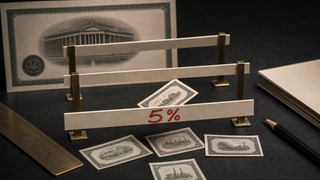
The 5% Treasury Problem Is Back on the Desk
Long Treasury yields are close enough to 5% again to make stocks answer a harder question: what exactly are investors being paid for?
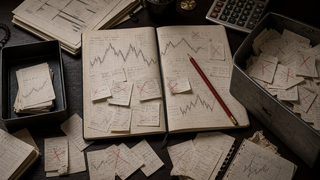
Phil Goedeker and the Trades You Should Not Be Taking
Phil Goedeker's sharpest lesson is not the parabolic short. It is the review that found the trades that never should have been there.

The AI Trade Is Starting to Look Like a Power Trade
Elon Musk's space data center idea sounds extreme. The market point underneath it is simpler: AI chips do not matter if they cannot be powered.
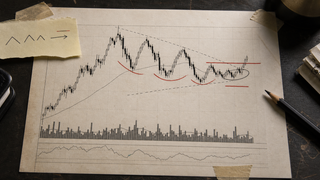
Mark Minervini and the VCP Setup That Gets Quiet First
Mark Minervini's VCP is often copied as a breakout drawing. The useful version is more specific: leader, base, contraction, pivot, stop.
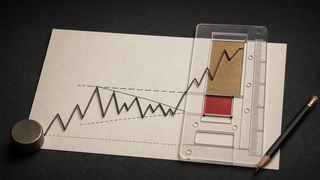
Peter Brandt and the Position That Is Not an Opinion
Peter Brandt is known for classical charts. In a FundSeeder interview, the stronger lesson is that a chart is only useful when it defines risk.

Larry Hite and the Bet Small Enough to Lose
Larry Hite's risk lesson is simple and hard to live with: the trade has to be small enough that being wrong does not become the event.
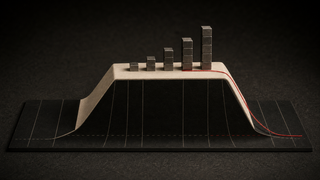
Captain Condor and the Defined-Risk Trap
The reported Captain Condor wipeout was not just an options story. It was a reminder that defined risk can still become account risk when size keeps growing.

Tom Basso and the Trade That Lets You Breathe
Tom Basso's old lesson is not that trading should feel exciting. It is that the system has to be boring enough to survive the next 10,000 trades.
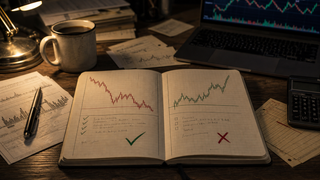
Jack Schwager and the Winning Trade That Teaches Nothing
Jack Schwager's FundSeeder interview turns into a simple journal rule: do not grade the trade by the money first.
Ed Seykota and the Trade That Does Not Care If You Are Right
Ed Seykota made trend following sound simple, then spent years pointing at the part traders avoid: the feeling that makes them break the rule.
Larry Williams Is Still Buying The Breaks
Larry Williams' latest StockCharts appearance is openly bullish: no bear market, stocks higher, buy breaks. The trade is in the pullback, not the applause.
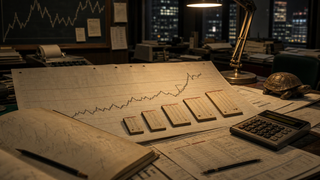
The Turtle Rule Was Not The Breakout
The famous Turtle entry gets all the attention. The trade only worked because size, volatility, exits, and boredom were part of the rulebook.
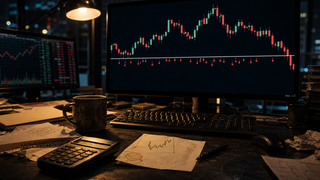
The Stop Has To Be Where The Trade Is Wrong
A useful stop is not the nearest painless number. It is the place where the trade has stopped being the trade.

Linda Raschke and the Trade Small Enough to Repeat
Linda Raschke's best lesson is not a setup. It is the desk work of keeping losses small enough that the next trade is still available.
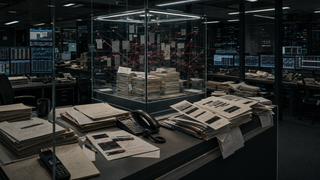
Archegos and the Position No One Could See
Archegos did not need a famous fund, a public portfolio, or a complicated story. It needed banks looking at their own slice while the same trade grew everywhere else.

XIV and the Product That Shorted Panic
XIV did not fail because volatility rose. It failed because the product was built to give inverse daily exposure to a market that can jump faster than holders can react.

Knight Capital and the Trade Nobody Put On
Knight Capital did not lose $460 million because a trader made a bad call. The position came from code, stale controls, and a system that stayed connected too long.

Paul Tudor Jones and the Moment Risk Becomes Tradeable
Paul Tudor Jones is still a trader first. His new interview is a reminder that a warning is not a trade.

Nick Leeson, Account 88888, and the Trade Barings Could Not See
Nick Leeson did not just make a bad bet on Japan. Barings let a losing book become an accounting fiction until the fiction needed more cash than the bank could survive.

Larry Williams and the Problem With a Record Year
Larry Williams is famous for turning a small futures account into a contest legend. The more useful story is what that record does not teach.

Stanley Druckenmiller and the Art of Waiting
A source-led dossier on Stanley Druckenmiller, patience, position sizing, asymmetric trades, and why his method is easy to admire but dangerous to copy.